
The Weekly Planning Method That Actually Works
Spend 30 minutes on Sunday setting up your week. This simple system keeps you focused and prevents the chaos of reactive planning.
Productivity isn’t about doing everything. It’s about doing the right things without exhausting yourself. Learn the balance here.
May 2026

You’ve probably heard it before: “Just work smarter, not harder.” But here’s what nobody tells you — most people are already working smarter. They’re also working harder. They’re working faster. They’re checking email at 10 PM and waking up at 5 AM to “get ahead.”
The result? They’re exhausted by Wednesday. And it’s not because they’re lazy or bad at time management. It’s because they’re trying to do too much.
Managing your day without burning out isn’t about fitting more into your schedule. It’s about fitting the RIGHT things into your schedule, protecting your energy, and actually finishing the day feeling okay. Not defeated. Not drained. Just… okay.

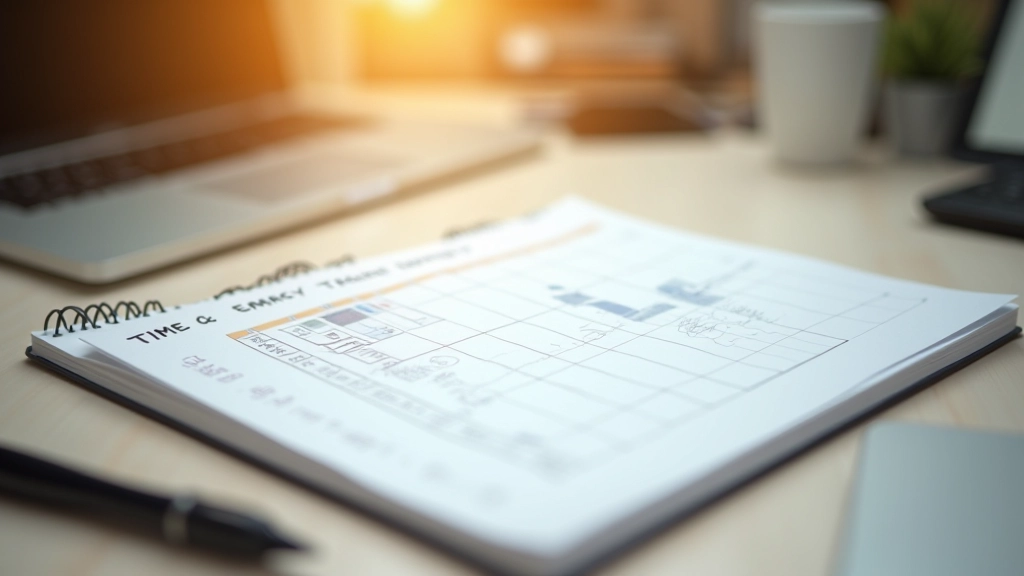
Here’s the thing about time management systems — most of them treat time like it’s the same throughout the day. But it’s not. You don’t have the same mental energy at 9 AM that you do at 3 PM. And you definitely don’t have it at 7 PM after back-to-back meetings.
Your energy follows a pattern. Most people peak between 9 and 11 AM. After lunch, there’s a dip — sometimes lasting two to three hours. Late afternoon brings another small peak around 4 PM. Then it drops again. If you’re trying to do deep, focused work at 3 PM or complex problem-solving at 6 PM, you’re fighting your own biology.
Smart planning isn’t about squeezing more tasks in. It’s about matching tasks to your energy levels. Strategic work during peak hours. Admin and easy tasks during dips. And protecting time when your energy’s already low — like blocking that final hour for wrap-up, not starting new projects.
Once you stop fighting your energy patterns and start working with them, everything changes. You’re not burned out because you’re doing less wasted effort.
Here’s a structure that works because it respects both your energy and your actual work. It’s not rigid — adapt it to your schedule — but the principles hold up.
Peak Performance
Your most valuable hours. Do your hardest work here. Deep focus work, strategic thinking, important decisions. Close email. Silence notifications. This is your protected time.
Collaborative Work
Meetings, calls, collaboration. You’ve still got decent energy, but you’re naturally shifting modes. Handle client calls, team meetings, feedback sessions here. Energy’s dropping but still solid.
Administrative & Routine
Email, admin work, planning, organizing. Your energy’s low. Don’t fight it. Knock out routine tasks that don’t require creative thinking. Process your inbox. Organize tomorrow. You’re still productive but in a different way.
Wrap-Up & Tomorrow
Small second wind often happens here. But use it wisely. Review what you’ve done. Prep tomorrow. Close open loops. Don’t start new big projects. You’re finishing strong, not pushing into exhaustion.
Notice what’s NOT in this schedule? Checking email constantly. Staying “responsive” all day. Starting new work at 5 PM. These are burnout accelerators. They keep your brain in reactive mode, never letting you focus, never letting you truly finish anything.

The most burned-out people aren’t doing more than everyone else. They’re just saying yes to things that don’t matter.
That “quick coffee” that turns into 45 minutes of unplanned conversation. The “just a few questions” message that pulls you out of focus work. The meeting that could’ve been an email. The email that could’ve been nothing.
You don’t have infinite energy. And you can’t protect your peak hours if you’re constantly interrupted. So you need boundaries. Real ones. Not suggested ones.
Close Slack. Close email. Put your phone in another room if you have to. Your 8:30-11 AM hours are non-negotiable focus time. Protect them like you’d protect a client meeting.
Don’t check email every time a message arrives. Check it at 11 AM, 2 PM, and 4:30 PM. Same with Slack. Respond in batches. You’ll be more efficient and far less fragmented.
When someone asks for your time, the default should be “no” unless it directly supports your key priorities. You can always say yes later. But interruptions are hard to take back.
This article provides educational information and frameworks for personal time management and daily planning. The strategies shared are based on productivity research and practical experience with working professionals. However, individual circumstances vary widely — your optimal schedule might look different based on your role, industry, team structure, and personal energy patterns. Experiment with these principles, track what works for you, and adjust accordingly. If you’re experiencing serious burnout or health impacts from work, consider consulting with a healthcare professional or workplace wellness specialist for personalized guidance.
The goal isn’t to work more hours or pack more tasks into your day. It’s to work deliberately. To protect your best energy for your best work. To finish the day having accomplished something meaningful without feeling destroyed in the process.
You’ll know it’s working when you can actually close your laptop at the end of the day without a list of guilt-inducing unfinished tasks. When Wednesday doesn’t feel like you’re running on fumes. When Friday arrives and you’re tired, sure, but not burned out.
That’s not lazy. That’s sustainable. And sustainable is what actually gets things done.